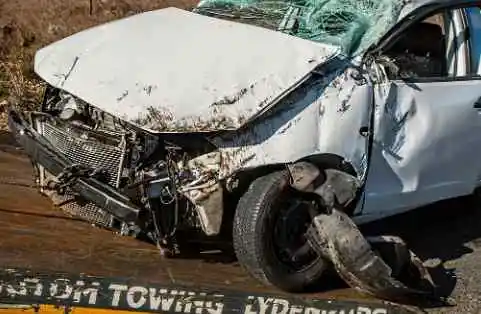
We’ve all been there—one bad decision, a moment of distraction, or just a string of bad luck, and suddenly your driving record looks like a CVS receipt. Whether it’s a DUI, a couple of speeding tickets, or an at-fault accident, the result is the same: your car insurance premiums skyrocket.
In 2026, the average annual cost of full coverage in the U.S. has climbed to around $2,697. If you have a “bad record,” you could easily see that number jump by 30% to 100%.
But here’s the secret: you don’t have to just accept a $400-a-month bill. Getting “cheap” insurance with a bad record is about strategy, not just luck. Let’s look at how you can lower those quotes right now.
Why Your Record is Costing You So Much (The Math)
Insurance companies are essentially professional gamblers. They look at your past to predict the future.
-
One Speeding Ticket: Can raise your rate by 10-15%.
-
An At-Fault Accident: Often results in a 20-40% hike.
-
A DUI Conviction: This is the heavy hitter, frequently doubling your premium and requiring a special filing called an SR-22.
The “High-Risk” Label
Once you have multiple marks, you’re moved into the “Non-Standard” or “High-Risk” pool. Traditional companies might even refuse to cover you. This is where you need to start looking at specialised lenders.
Top Companies for High-Risk Drivers (2026 Rankings)
Based on current data, some companies are much more “forgiving” than others. While a big-name insurer might charge a “penalty” for a bad record, these providers often have more competitive entry points for high-risk drivers.
| Company | Best For… | Avg. Monthly (Bad Record) |
| State Farm | Best overall for DUIs | $114 – $158 |
| Progressive | Best for multiple tickets/accidents | $130 – $170 |
| Travelers | Best for SR-22 filings | $120 – $160 |
| National General | Specialised high-risk coverage | Varies by state |
| USAA | Military/Veterans (Lowest rates) | $80 – $110 |
5 Practical Ways to Hack Your Premium
If your record is messy, you can’t change the past, but you can change your “risk profile” in the eyes of the insurer.
1. The “Telematics” Cheat Code
In 2026, almost every major insurer offers a “Pay-As-You-Drive” program (like Progressive’s Snapshot or State Farm’s Drive Safe & Save).
-
How it works: You plug a device into your car or use an app that tracks your braking, speed, and mileage.
-
Why it helps: If you’ve had accidents but are now driving like a saint, this proves it. You can get a “behaviour-based” discount of up to 30%, regardless of what happened three years ago.
2. Take a Defensive Driving Course
Most states allow you to take an approved 4-to-6-hour course online. Not only can this sometimes remove points from your license, but insurers will often give you a 5% to 10% discount just for showing the certificate. It’s a $25 investment that pays for itself in a single month.
3. Increase Your Voluntary Deductible
If you’re paying $200 a month with a $500 deductible, try raising that deductible to $1,000 or $1,500.
-
The Math: This tells the insurer, “I’ll handle the small scratches myself; only help me if there’s a major disaster.” This single move can drop your monthly premium by 15-20%. Just make sure you actually have that $1,000 saved in an emergency fund!
4. Look for “Non-Owner” Insurance
If your license is suspended or you’re required to have an SR-22 but you don’t actually own a car, look into a Non-Owner Policy. It is significantly cheaper than a standard policy but fulfils the state’s legal requirements to get your license back.
5. Shop the “Regional” Players
Don’t just stick to the companies you see oinSuper Bowl commercials. Smaller, regional companies (like Erie Insurance or Auto-Owners) often have different underwriting rules. Because they don’t spend billions on advertising, they can sometimes offer lower rates to drivers with a few blemishes.
Understanding the SR-22 (It’s not actually insurance)
If a judge told you that you need an SR-22, don’t panic. It is simply a “Certificate of Financial Responsibility.”
-
It is a form your insurance company files with the DMV to prove you have the state-mandated minimum coverage.
-
The Cost: The filing fee is usually small ($15–$50).
-
The Impact: The real cost comes from the underlying violation (like a DUI) that triggered the need for the SR-22.
Expert Tip: If your current insurer finds out you need an SR-22, they might cancel your policy. If that happens, look for “non-standard” agents who specialise in SR-22 filings.
Comparison: Average Annual Rates After a Violation (2026)
| Violation | Average Increase (%) | Estimated Annual Premium |
| Clean Record | 0% | $2,697 |
| One Speeding Ticket | +21% | $3,263 |
| At-Fault Accident | +42% | $3,829 |
| DUI Conviction | +93% | $5,205 |
Real-Life Example: Sarah’s Turnaround
Sarah had a clean record until 2024, when she got a speeding ticket and an at-fault fender bender within six months. Her premium shot up from $120 to $245.
Here is what Sarah did:
-
She switched from a big-name brand to Progressive.
-
She signed up for their Snapshot program to prove she was now driving safely.
-
She increased her deductible from $500 to $1,000.
-
She took a Defensive Driving Course online for $30.
The Result: Her new premium settled at $165. Still higher than her “clean” days, but she saved $960 a year just by taking a few hours to manage her policy.
Final Checklist Before You Buy
-
Check your credit score: In many states, a bad credit score hurts your insurance rate more than a speeding ticket. Clean up small errors on your credit report to lower your rate.
-
Bundle where you can: If you have renters’ or homeowners insurance, put them with your car insurance. The “multi-policy” discount is often the biggest one available.
-
Don’t let coverage lapse: Even a one-day gap in insurance can make you look like a higher risk. Always have your new policy active before cancelling the old one.
The Bottom Line
Insurance companies have short memories. Most violations only impact your rates for 3 to 5 years. If you play your cards right, use telematics, and shop around every six months, you can survive the “high-risk” phase without going broke.